|
When it comes to nutrition, the most common question we get is "What type of food should we feed?" followed by "When should we transition from puppy food to adult food?" These are very important questions, but they aren't the only questions you should be asking when it comes to your pets' nutrition. It is just as important to appropriately transition your pet to a senior diet and make changes to how you feed them as they age. Before we even consider diet changes, we have to determine at what age your pet is considered a senior. The general rule for dogs and cats is seven years old, though larger breeds start to exhibit signs of aging earlier than smaller breeds. This is the age we recommend switching to a food designed for senior pets and also bi-annual exams.
While it can be normal for senior pets to have a decreased appetite as they age, sometimes there could be something else going on. Dental, gastrointestinal, or kidney issues can cause a decrease in appetite as well. If you notice other symptoms coupled with your pet's decreased appetite, we recommend bringing them in for a thorough exam. Your pet may require a special diet depending on their diagnosis. Generally speaking, these prescription diets will trump a senior diet because they are specially formulated for your pet's specific condition.
Some people may prefer to cook for their senior pet at home. This can be an alternative to store-bought kibble, but there are steps needed to ensure it is nutritional balanced. If you are interested in preparing food at home, we strongly urge you consult with a veterinary nutritionist first.
0 Comments
BaileyIn honor of St. Patrick’s Day, we chose a pet with an Irish name for Pet of the Month (ok, so, we didn’t actually do this, but it worked out!) We’d like to introduce our March Pet of the Month, Bailey! While he may not be Irish (he’s an English Springer Spaniel), his family feels very lucky he picked them nearly 13 years ago.
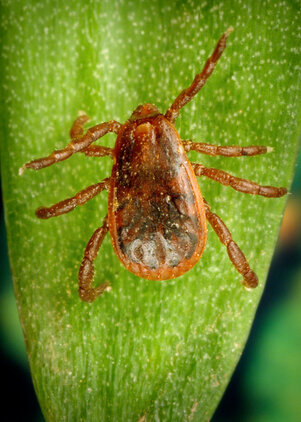
When his family visited his litter to choose a new family member, he made the decision easy when he started nibbling on their daughter’s ear. They met the entire litter, but this little guy had made an impression and it was very clear to Melanie and Steve this was the puppy for Abby. Bailey was an incredible bundle of energy and passionate about food since day one. In recent years we have seen him because he’s been slowing down a bit. Frequently, Bailey can be found staring out the family’s front bay window-or maybe Bai’s window- where he earned the nickname “Captain of the cul-de-sac”. He actually has a few nicknames, including Mr. Puckett and Bails. Bailey is also a multi-talented dog. From very early age, he has regaled the family and their friends with his singing along with the piano, especially during birthday parties. His family would return the favor during car rides by singing “Lonely Goatherd” to calm him. Bailey is also a great athlete, specializing in fetching tennis balls and Frisbees. Although at his age, he is semi-retired. Even though he is older, Bailey is doing great and getting around pretty well. He visits us for regular exams and Dr. Weinrick checks his joints and mobility regularly. He has started an anti-inflammatory medication to help ease discomfort caused by advanced age. His family recently switched him to a senior specific food which helps brain function in older dogs. There is no fountain of youth, but preventative care, a good diet, and a proactive family are a great alternative. March might not seem like an appropriate time to talk about ticks, but you'll feel differently after you read this article. We're going to bust some tick myths and hopefully help protect you and your pets from the "blood-sucking" arachnids. *Warning: Pictures of ticks follow.*
Myth #1: Ticks are dormant in the winterWhile it is true ticks are most prevalent during the warmer months, they are still active during the winter. Ticks are usually buried under the ice and snow until those longed for warm, sunny winter days. As the snow melts, they are "freed" and find their way to animals enjoying the warmer winter weather, you and your pet for example. Hunters have even been known to stumble through tick nests and came away covered with hundreds of tick larva. Ticks pose a greater risk during the winter because their bites are painless and we are less likely to find them because we aren't actively looking for them. This allows them to be attached for a longer period of time and increases the chance of transferring a tick-borne illness.
Myth #2: Ticks smell your blood.Ticks are often believed to have the ability to smell blood, like a shark. Like a tiny eight-legged land shark. Thankfully, this is not true, but the truth isn't much better. Ticks can smell CO2, one of the by-products of respiration. Ticks can literally smell you breathe. Upon second thought, we aren't sure the truth is ANY better than the myth.
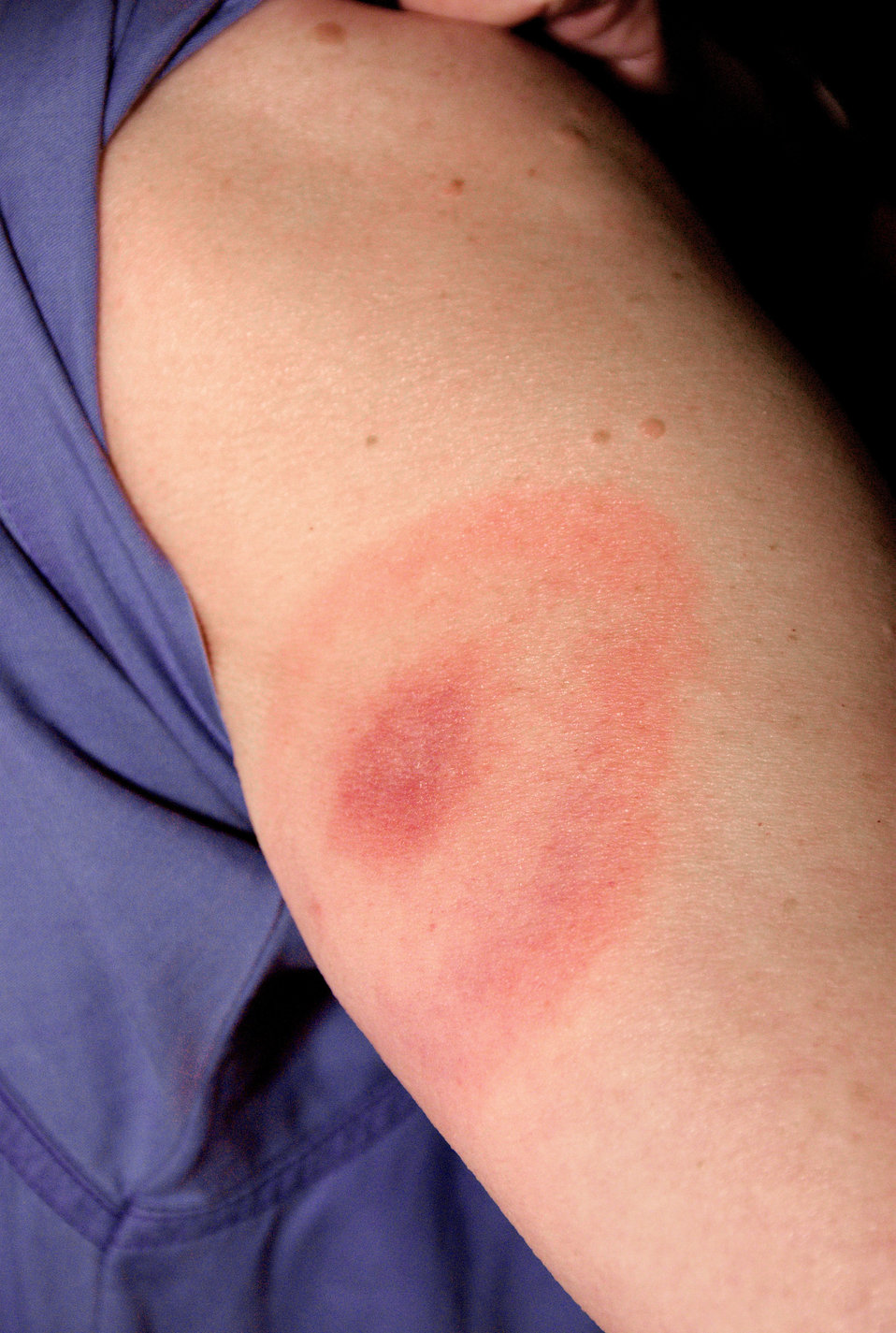
Myth #3: Lyme infections have a distinct bulls-eye rash.This one is more of a half-truth than a full-on myth and isn't technically about ticks. Many humans will develop the trademark bulls-eye rash, but not every human does. Animals will rarely, if ever, develop the telltale rings. Aside from possible redness and irritation at the site of tick attachment, there aren't any signs of Lyme infection that present on the skin. Joint swelling and pain, fever, loss of appetite, and lethargy are the most common symptoms. If pets have similar symptoms and a veterinarian determines a plausible case for infection upon examination, the diagnosis can be confirmed with a blood test. Symptoms for Lyme disease and other tick-borne illnesses can range from very mild to severe with some pets being asymptomatic.
Myth #4: Ticks are only a threat while camping or hiking.The inference of this myth is ticks are only a threat when adventuring to the deep woods, "roughing it" in the remote, unsettled areas of the world, or traversing through natural preserves rarely touched by humans. Ticks prefer shady, moist areas while clinging to shrubs, bushes, grasses, and weeds within two feet of the ground. They are sometimes found in lawns and gardens near the woods or old stone walls. Ticks can sometimes be transferred in dirt and mulch to areas they aren't naturally found. Moral: you aren't safe just because you aren't under trees. No one is safe.
Myth #5: Use flames, alcohol, or other liquids to remove ticks.Ticks are infamous for their ability to burrow into the skin of their hosts and attach themselves firmly for days at a time. Many "old wives' tales" exist on how to remove a tick, but most methods could actually make the situation worse. If you try to burn a tick off, it could cause them to burrow deeper as they try to flee the flame and you also risk burning your pet and yourself. Using soap or alcohol could also cause the tick to burrow deeper if it becomes irritated by the liquid. The most effective way to remove a tick before it is ready is to grip it tightly with a pair of tweezers or tick removal tool just above the skin and pull with even pressure. Don't pull too quickly to minimize the chance of the head detaching and staying lodged in their skin. If this does happen, don't panic, there is very little risk of a serious problem. Watch the area for redness, swelling, or discharge.
Myth #6: I'll see them before they can bite.The most dangerous ticks come in the smallest packages. It's true adult ticks look scary and gross, but this is a benefit to us because we can see them. It's common for us to hear, "We don't need prevention because I check my dog whenever they come in from outside." This is a good practice, but nymph ticks are as small as a poppy-seed (see above photos if you aren't eating a muffin). This can make it incredibly easy to miss one which is all it takes to transfer a tick-borne illness. Tick prevention requires a tick to bite its host before it can kill the tick, but should kill it before it is possible for bacteria to transfer between the tick and the host. For dogs, we recommend giving flea & tick prevention and vaccinating for Lyme disease because neither protection is 100% effective, but they are both better than nothing. Hopefully you feel more prepared to handle the scourge called ticks. If not, at least you have a few tick tidbits for your next garden party. Don't forget to sweep your yard for ticks beforehand.
Bonus tick tidbit: There have been cases of spontaneous red meat allergies caused by bites from the Lone Star tick found in the southern and eastern United States. Seriously, ticks, why do you have to ruin everything?! |